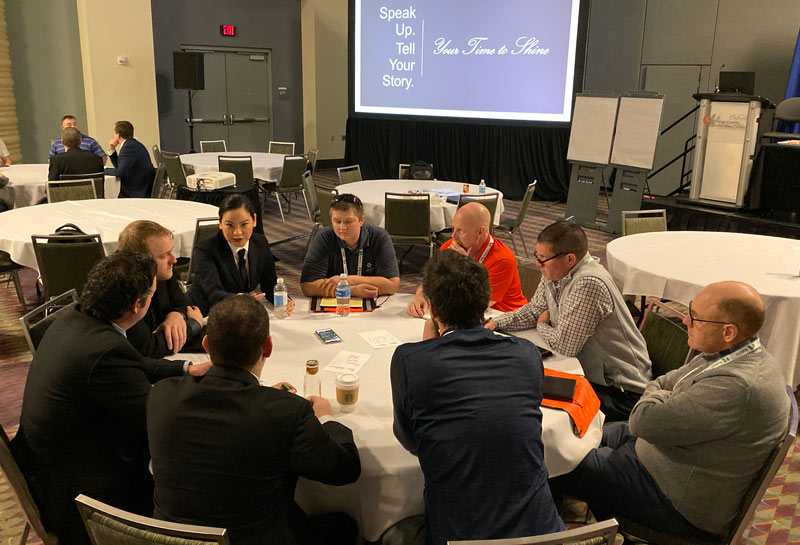
“In this day and age, it’s really difficult to change people’s minds with facts and data,” Delphine Tseng told attendees at the free education session she led Monday at GIS 2020. “We change their minds with soft stories.” Photo by Roger Billings
“Be prepared” is perennially sound advice for golf course superintendents. In a line of work that involves large tracts of land, fleets of equipment, the whims of Mother Nature and a multitude of other variables, preparedness can truly make or break one’s success.
Turns out that simple sliver of guidance also applies nicely to promoting and advocating for the golf industry. “Always be ready to talk to strangers about the marvelous things on your golf course,” said Delphine Tseng, president and founder of Landseer Communications and Consulting, who presented the education session “The Best Story Ever Told — Yours!” Monday morning at the 2020 Golf Industry Show in Orlando, Fla.
Along with always having one’s message handy for those unexpected yet opportune moments to share, Tseng highlighted other strategies to help superintendents deliver golf’s good news to various audiences. Here are three takeaway tips from her presentation.
1. Animals, animals, animals
There’s the cute factor, of course. Golf courses can be home to some pretty adorable and interesting critters, from parakeets to hedgehogs to sloths. But the animals on your property can also tell a powerful stewardship story. Did you know, for example, that having salamanders on your golf course signals a clean, healthy water supply? Because these amphibians are extremely sensitive to environmental contamination and destruction, their presence (or absence) offers a good gauge of an ecosystem’s overall health (this makes salamanders what’s known as an “indicator species”).
“No matter who you are, those cool animal facts will always draw you in,” Tseng told attendees, noting that golf’s animal ties appeal particularly to kids and to those who don’t play golf.
2. Refine your talking points
When communicating with legislators, representatives from the golf industry often emphasize that golf is a multibillion-dollar industry — a point that’s fine and good and seems noteworthy, but, as Tseng mentioned, “Lots of businesses are multibillion-dollar businesses.” Restaurants, tourism, agriculture — many other industries can also tout an impressive economic impact. “What they don’t have is the land stewardship that we do,” Tseng said. So, alongside citing golf’s economic benefits, she recommends shining the spotlight on its connection to and protection of the natural world, as that far more effectively sets the golf business apart.
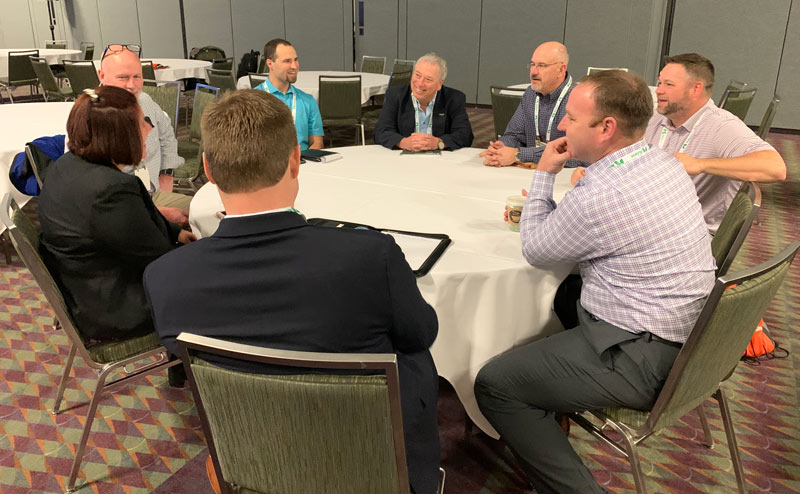
Small groups brainstormed how best to communicate about a given topic to one of four types of audiences: membership/customers; communities and legislators; owners, general managers and other staff members; and vendors. Photo by Megan Hirt
Another tip for interaction with government officials: If you have a meeting set up with a member of Congress, but instead get to meet only with the person’s aide, maintain the same level of professionalism. Prefacing a conversation with a policymaker’s aide with a statement like, “Let me break this down in terms you would understand” (or using any other condescending language) will halt your message dead in its tracks.
3. Connect via tech
Have you heard of iNaturalist? This free app is a playground for citizen scientists, nature enthusiasts and the generally curious, inspiring a closer look at the flora and fauna in one’s surroundings and making the identification of it interactive and engaging. iNaturalist’s focus on biodiversity makes it an excellent tool for communicating that golf courses are havens for plant and animal life (often in otherwise urban settings), and, in turn, the app helps underscore the care and dedication superintendents put into maintaining such spaces.
Tseng recommended superintendents encourage various stakeholders — namely golfers and other customers and community members — to check out the app so they can easily experience the golf course’s vibrant ecosystem for themselves.
Megan Hirt is the editor of GCMOnline.com.